Salt Transport and Ficsorjárás
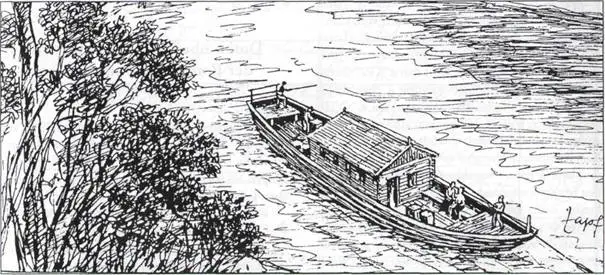
Until the end of the 19th century, the Maros was the country’s main salt transport waterway. Large blocks of rock salt were transported on state-owned ships from Marosújvár in Transylvania to Arad and Szeged. The Maros salt transport route between Gyulafehérvár and Szeged was divided into 24 stations, usually with salt warehouses. In Makó, the grassy area in Dessewffy Square (Heroes’ Park) and the site of today’s high school housed the monumental salt house and salt barn built in 1754 and demolished in the 1870s.
After unloading the salt floated down the Maros, the ships had to be towed back, which led to the creation of a towpath along the riverbed, called Ficsorjárás. The boats were pulled by horses against the current, and if the river overflowed, they were sometimes towed by human labor, including prisoners, covering the distance from Szeged to Apátfalva in two days.