Author: mak-admin

  • Körös-Maros Nature Conservation Area

    Körös-Maros Nature Conservation Area

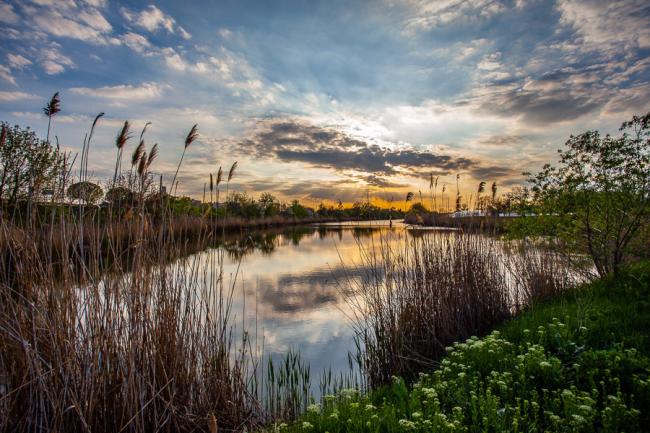
    About 30 km of the Maros floodplain is protected, consisting of largely natural forests and groves. The Romanian side is also a protected area (Maros Floodplain Nature Park). Along the Maros, willow and poplar gallery forests and shrub willows are found. Common plants include common reed, dwarf bulrush, gray blackberry, woolly foxglove, elm-leaved blackberry, stinging nettle, and couch grass. The loess banks host the exceptionally rare long-eyed fly. Most native fish species are present in the river. Rare, protected endemic species include the sand goby, the velvety dace, Hungarian barbel, and German barbel. The stone loach and burbot are also found in the Maros. A characteristic mollusk is the Banat snail.

  • Salt Transport and Ficsorjárás

    Salt Transport and Ficsorjárás

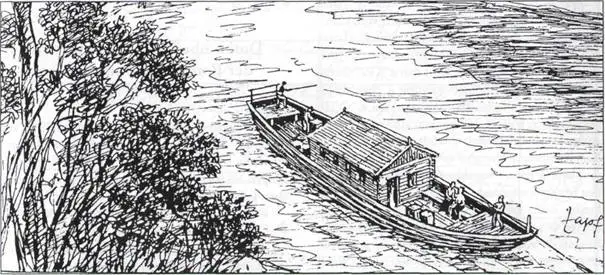
    Until the end of the 19th century, the Maros was the country’s main salt transport waterway. Large blocks of rock salt were transported on state-owned ships from Marosújvár in Transylvania to Arad and Szeged. The Maros salt transport route between Gyulafehérvár and Szeged was divided into 24 stations, usually with salt warehouses. In Makó, the grassy area in Dessewffy Square (Heroes’ Park) and the site of today’s high school housed the monumental salt house and salt barn built in 1754 and demolished in the 1870s.

    After unloading the salt floated down the Maros, the ships had to be towed back, which led to the creation of a towpath along the riverbed, called Ficsorjárás. The boats were pulled by horses against the current, and if the river overflowed, they were sometimes towed by human labor, including prisoners, covering the distance from Szeged to Apátfalva in two days.

  • Hiking Trail and Mendei Árpád Memorial

    Hiking Trail and Mendei Árpád Memorial

    The 4.8 km-long Maros riverside hiking trail (also a cycling trail), connecting Makó and Apátfalva, was established in 2020 and is maintained by local volunteers and residents. The trail begins at the Liget Street railway crossing (Green marking), continues through the Adventure Park and the Kőrös-Maros National Park area to Apátfalva, passing the scenic quarry lakes and the Lúdvár islands. Hikers can learn about the landscape and wildlife from 11 informational boards.

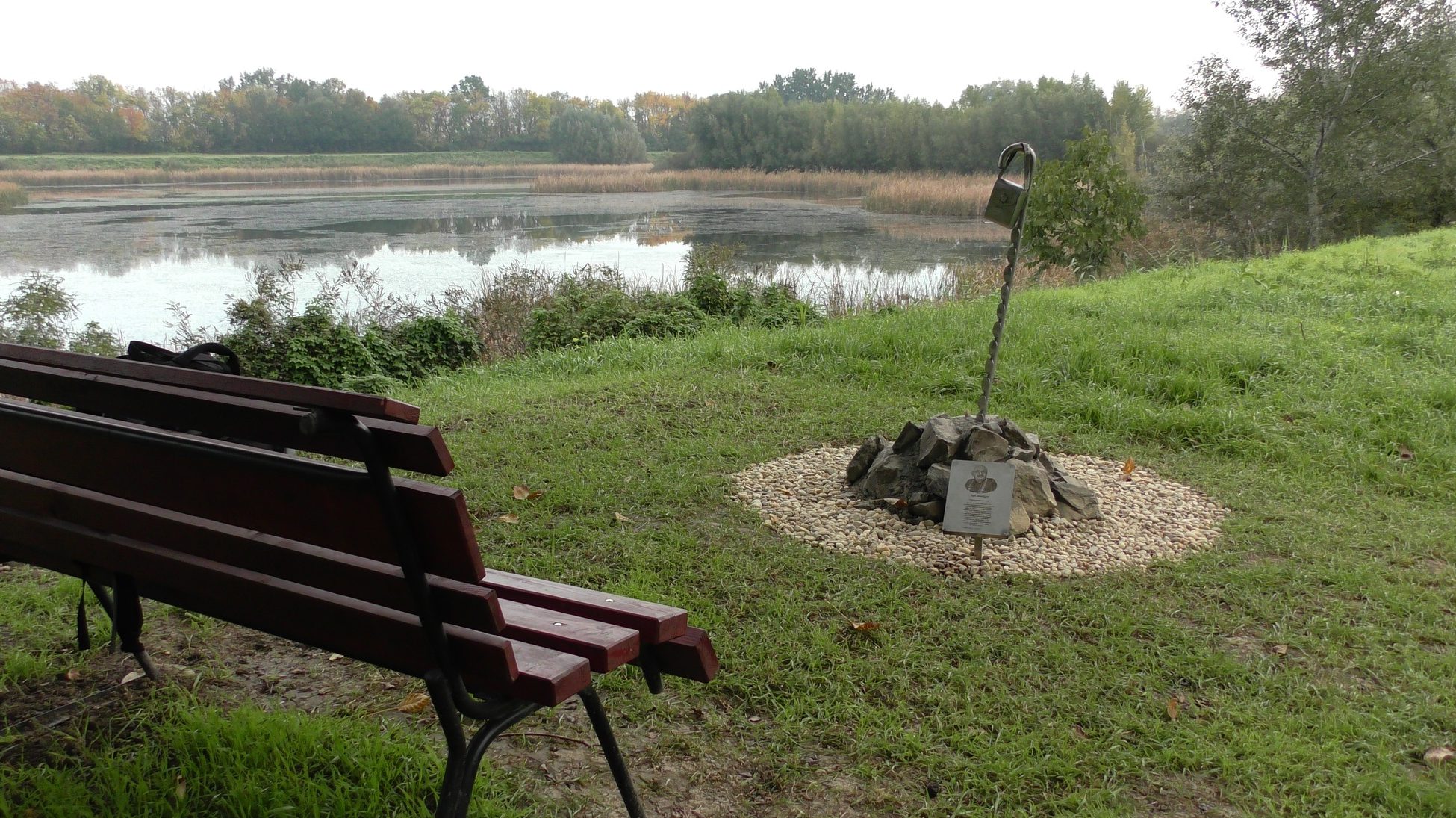
    In 2022, a resting area was created along the trail, named after Mendei Árpád, a local patriot and honorary citizen of the city. The bench-lined resting area features a commemorative plaque with Mendei’s favorite quote. An outdoor sculpture shaped like a satchel hanging on a walking stick holds 12 small plaques commemorating stages of his rich life journey. Every year, local residents celebrate World Walking Day with the Mendei Árpád Memorial Hike.

  • Apátfalva – Road Bridge Pillar

    Apátfalva – Road Bridge Pillar

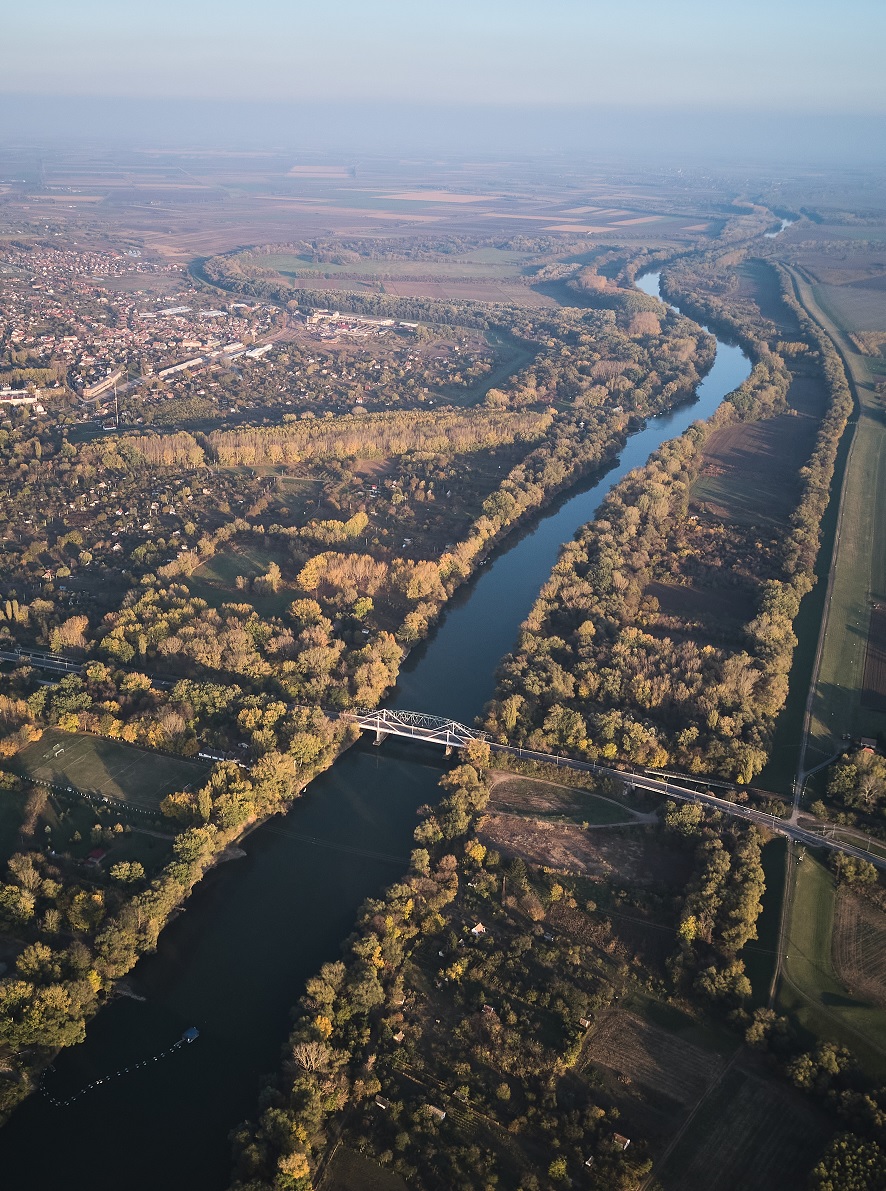
    In 1894, a road bridge was built on the Maros, connecting the Banat-Torontal areas with the Great Hungarian Plain. It was the first reinforced concrete road bridge in Csanád County, designed by Szilád Zelinski, and its pillars are still visible in the river. The superstructure was destroyed during World War II: it had been mined, but accidentally exploded due to a lightning strike in 1940. Since one side belonged to Hungary and the other to Romania, it was never rebuilt. (Not far from the bridge, just below Magyarcsanád, the pillars of the 1903 railway bridge designed by János Kossalka are visible. Its last element was removed in 1956.) On the Hungarian side of the former road bridge, sand extraction takes place, where high-quality construction sand is pumped from the riverbed.

  • Makó Beach

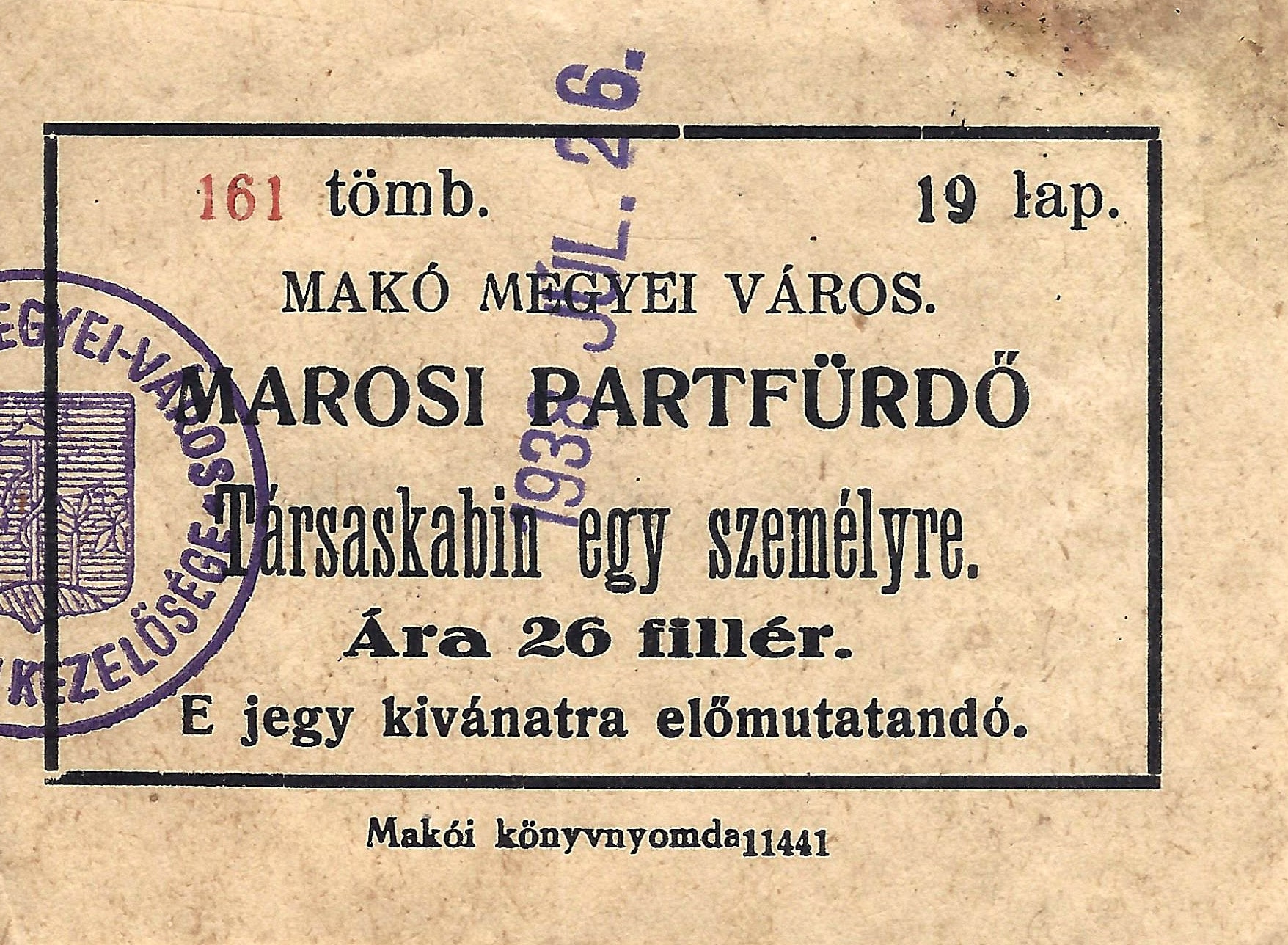
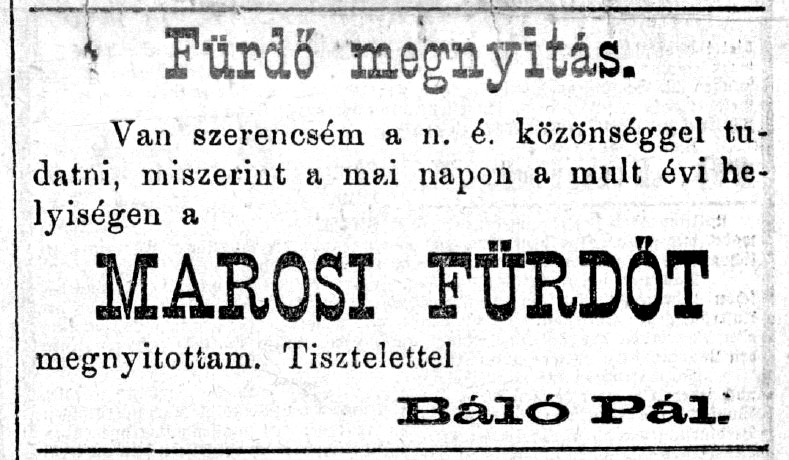
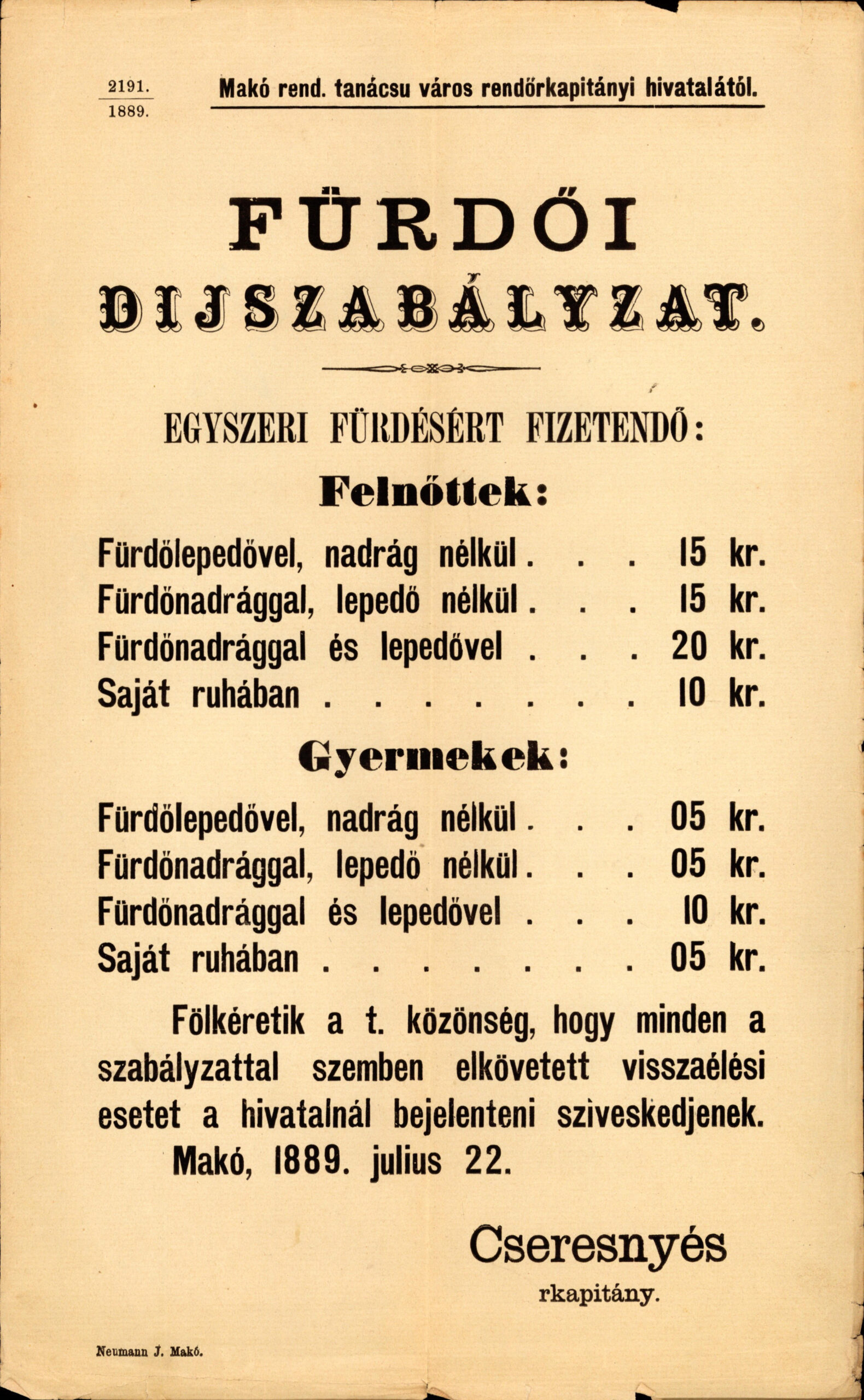
    Makó’s bathing culture was shaped by the proximity of the Maros River. The first wooden bathhouse was built on the Maros in the 1850s. Open-air river bathing began in 1892 on the site of today’s beach, in the area known as Lúdvár, and has continued ever since. This was the first river beach of historic Hungary. Until the flood of 1970, the beach—with its wide sandy shore and century-old trees—was the most popular recreational spot for the people of Makó. Today, thanks to tourism development, it attracts an increasing number of visitors.

    The largest bathhouse was built in 1912, designed by the city’s chief engineer, Andor Németh. As the river near the Makó bank was still very shallow at that time, the bathhouse was moored closer to the opposite Kiszombor bank. To ensure safe access to the large wooden structure, it was connected to the shore by a 138-meter pontoon bridge. Since mixed bathing was not allowed, separate areas were designated for men and women. The pools, surrounded by changing cabins, had basket bottoms—meaning their bases were planked, and water flowed through from the upstream side. At the end of each season, the bathhouse had to be dismantled and pulled ashore to protect it from ice drift.

    An interesting fact: men and women were also separated on the 138-meter-long bridge. Not only were the sides of the walkway fenced off, but a partition also ran down the middle so that men and women in swimsuits could not see each other. In local folklore, this passage quickly became known as the “Bridge of Sighs.”

    Makó Beach

  • Maros River

    Maros River

    The fastest-flowing river in the country originates near the village of Marosfő in Transylvania and empties into the Tisza below Szeged. Its Hungarian section is 48 km long, with the 18 km stretch between Nagylak and Apátfalva serving as a border river. It is a movable state border, meaning its riverbed is surveyed annually, and the state border is determined along the centerline of the navigable channel. This section contains many islands and sandbanks. The construction sand extracted from the riverbed is among the best quality, and its silt has been used as medicinal mud since 1961. Near Makó, its average discharge is 155 cubic meters per second.

  • Herd Trail

    Herd Trail

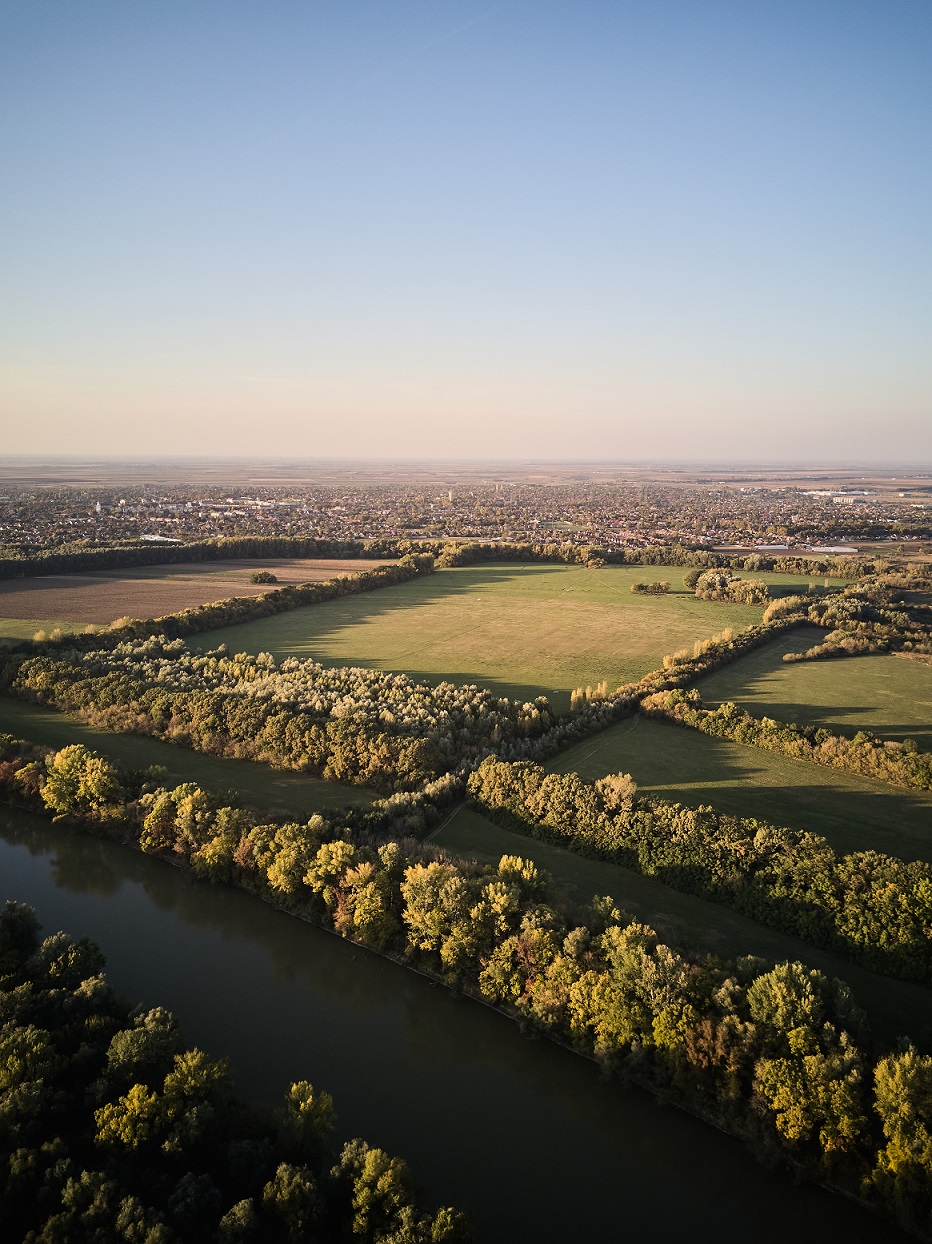
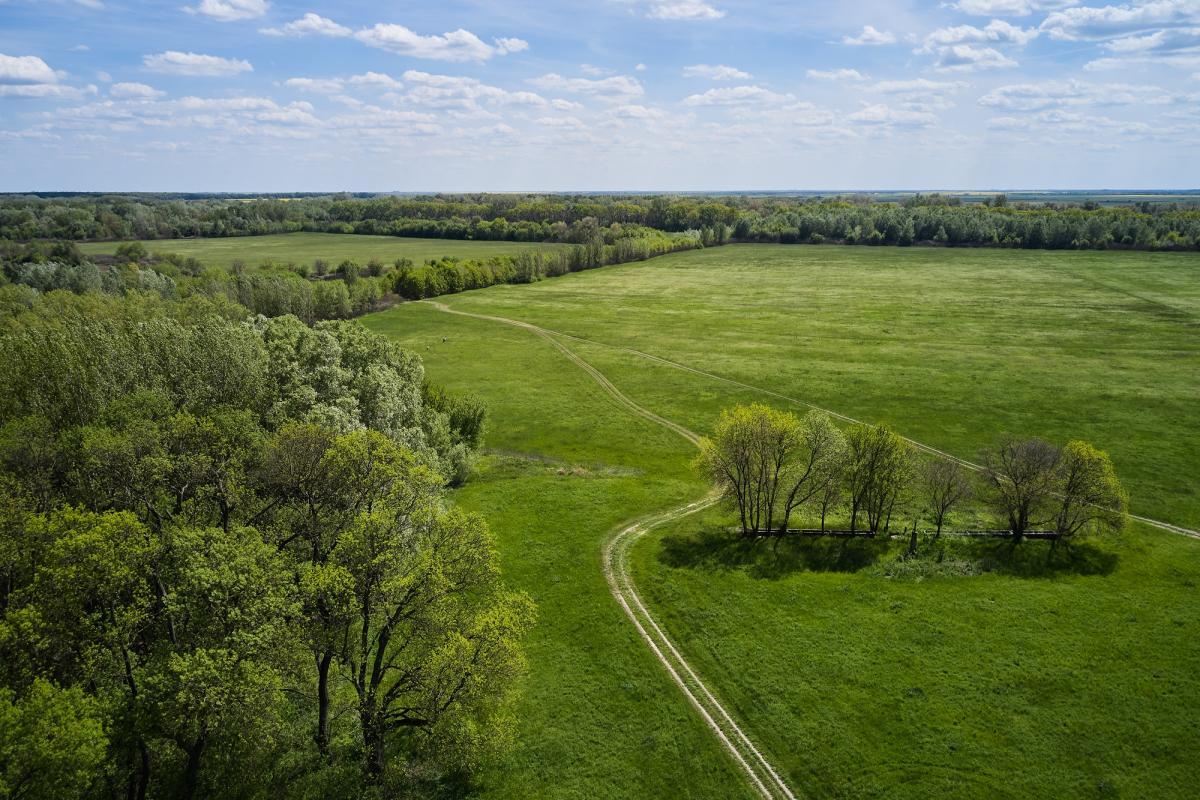
    The area along the Maros River is of exceptional natural significance and also holds considerable cultural and historical importance. The Csordajárás area, located near Makó, was formerly used as pastureland. As livestock farming declined, the pasture character gradually diminished, and the land was used as a meadow, later replaced by arable fields and orchards. From the 1980s onward, residents of Makó established small gardens here. Today, the orchards have disappeared from the basin, and the area is divided into arable fields, meadows, and small gardens interspersed with narrow forest strips. Along the river and the levee, willow and poplar gallery forests can be found. One of the main tree species of these wooded areas is the pedunculate oak. Among the protected animal species, the leather ground beetle, stag beetle, pale longhorn beetle, cylindrical straw longhorn beetle, straw longhorn beetle, and the catmint longhorn beetle are noteworthy. A faunal rarity of the Makó Csordajárás is the presence of the shaggy shrub longhorn beetle.

  • Municipal Market

    Municipal Market

    The Municipal Market supports the access of local producers to the market, relying on local raw materials, and is located in the city of Makó, at 6900 Makó, Deák Ferenc Street 41/A.

    The development of the complex infrastructure of the sales area was carried out a few years ago through the renovation of the hall. It is a large covered area where the sales spaces were modernized, and the selling and buying conditions were improved and optimized for comfort.

    With the renovation of the Municipal Market, local farmers can sell their products in modern and comfortable conditions, and both locals and tourists are delighted to come here for shopping.

    The market is open three times a week for those who wish to sell or buy.

  • City Hall

    City Hall

    The current building was constructed in 1780, based on the plans of the surveyor Vertics József. Using this building, in 1839, the city’s renowned engineer, Giba Antal, transformed the 18th-century structure by reinforcing the foundation walls and adding an extension to the north, in line with the symmetrical structure. The main facade is 76 meters long, and in the central part, there is a portico supported by six massive pillars. In 1929, Tarnay Ivor, the vice-constable, expanded the building with a three-story wing. Until 1950, the building served as the headquarters of the Csanád County, and afterward, it was used by the city council, and since 1990, by the local administration. In the building’s side garden, there is a statue of Kornélia Hollósy. In 1999, a commemorative plaque was placed on the city hall’s wall to celebrate the 300th anniversary of the city’s re-establishment. On May 7, 2000, on Town Day, the city’s coat of arms, made of colored terracotta, was placed on the building’s pediment. The former county headquarters, now the city hall, is protected as a historic monument. It is considered one of the most beautiful classicist-style buildings in the country. It is also one of the most valuable architectural landmarks of the city of Makó.

  • Orthodox Synagogue in Makó

    Orthodox Synagogue in Makó

    The former Jewish community of Makó was one of the oldest and most significant communities in the Pannonian Plain. Today, only the Orthodox synagogue remains, built around 1895 in a Romantic style.

    The exterior dimensions are 9.30 × 20 meters. On the facade, there are two annexes: the staircase leading to the balcony and the entrance from the courtyard. In front of it, there is an entrance with a roof. In the inner courtyard, there is a memorial park with plaques commemorating the martyrs.

    Inside, on a brick platform, stands the bimah, the table for reading the Torah, surrounded by a wrought-iron grille. The Torah platform was built on the eastern wall of the synagogue. On its walls there are painted lions of Judah, holding the tablets of Moses in their paws. On the ceiling, golden stars were painted, symbolizing the sky. The interior was later expanded with two balconies. 

    The building forms a tight unit with the adjacent construction, which included, among other things, the winter prayer hall. The unit is notable for the double balcony for women and the ritual bath (mikve), which still awaits restoration. The newly consecrated synagogue is an important pilgrimage site for the Orthodox Jews of Makó who emigrated, where, annually, on the anniversary of the death of the revered Rabbi Vorhand Mózes, a religious ceremony is held.

    In the 1990s, the building reached a deteriorated, almost dangerous state. In 1999, a decision was made to restore it. The restored synagogue building was reopened on March 10, 2002.